
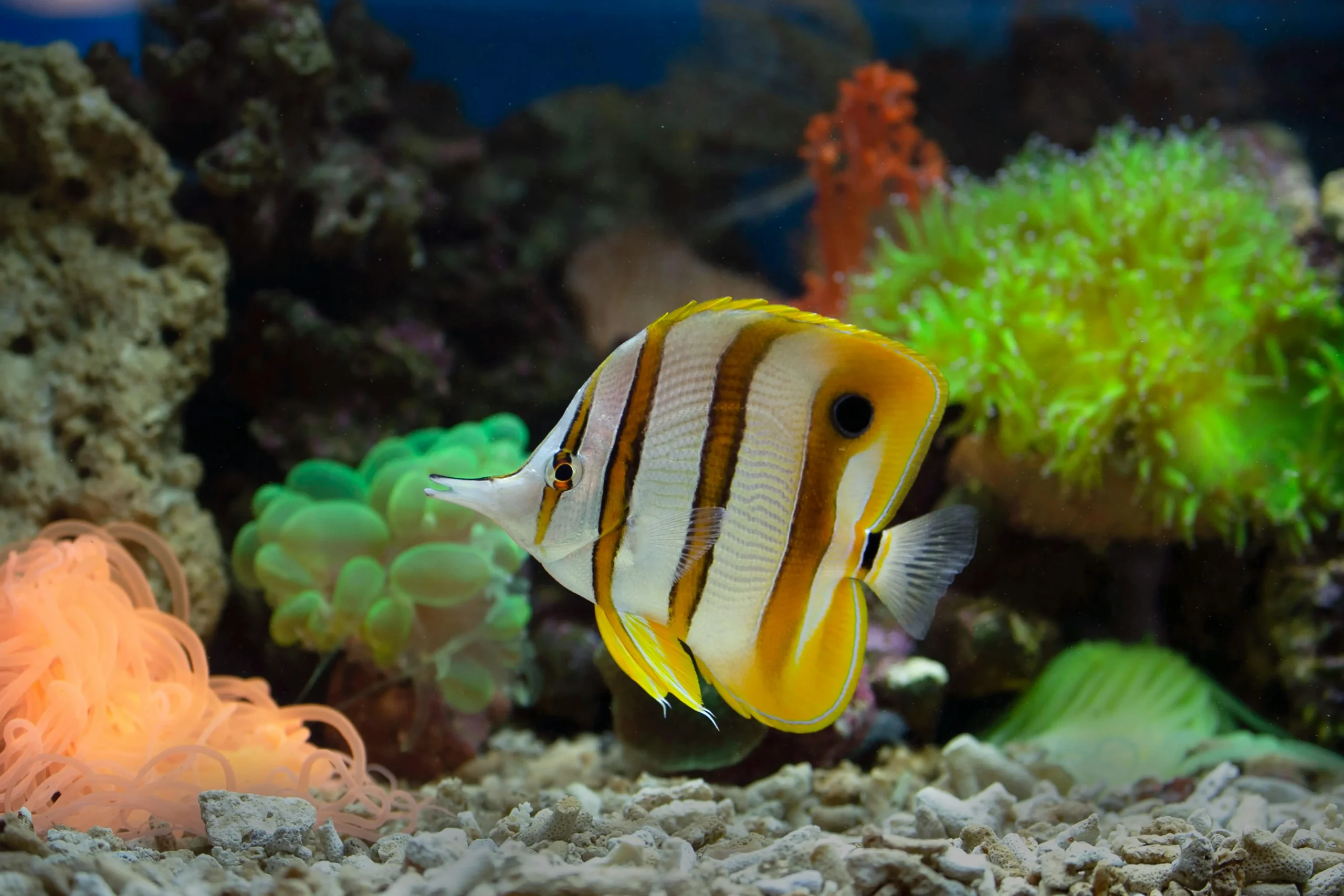
A lot of people love the idea of owning a saltwater aquarium… right until they start researching it online.
One forum says you need thousands of dollars worth of equipment. Another says one small mistake will wipe out the whole tank. After a while, it starts sounding more stressful than enjoyable.
But honestly, most healthy marine tanks are not being managed like laboratories every day.
They usually do well when people keep things stable, stay patient and avoid making constant changes. A lot of beginner problems happen because people rush the process – adding too many fish too early, changing equipment constantly, or trying to “fix” every tiny thing instead of letting the tank settle naturally.
Start simple
One mistake beginners make is trying to build a huge reef system straight away.
They buy powerful lights, expensive coral, dosing equipment, controllers… all before even understanding how the tank behaves.
A simple saltwater setup with a few hardy fish is honestly one of the best ways to start learning.
Once you get comfortable with:
- salinity,
- maintenance,
- filtration,
- and water quality,
everything else starts making more sense naturally.
Bigger tanks are actually easier
Sounds backwards, but it’s true.
Small marine tanks can change very quickly. Temperature shifts faster. Salinity changes faster. Water quality problems show up faster, too.
Larger systems are usually more stable, which gives beginners a little more room for mistakes.
That’s why many people in Melbourne starting their first reef tank end up happier with medium sized systems rather than tiny desktop aquariums.
Don’t chase perfection
One thing that catches people out in the beginning is overreacting to every small change in the tank.
A test result shifts slightly and suddenly people start adding three different products trying to “fix” it by the same evening.
Most marine tanks actually do better when they are left alone a bit more.
Tiny imperfections are usually less harmful than constantly changing the water chemistry every few days.
Good water matters
This is an important thing a lot of beginners ignore at first.
People spend hours choosing fish, lights, and rock setups… then use whatever water comes out of the tap without thinking twice about it.
Sometimes that works fine for a while.
Sometimes it turns into endless algae, cloudy water, or random issues that are hard to track down later. That’s why a lot of saltwater tanks use filtered water from the beginning — it simply removes a lot of the unknowns before they become problems.
Patience matters more than expensive equipment
Social media makes reef keeping look instant.
You see fully grown coral systems, crystal clear tanks, perfect colours… but most established aquariums took years to reach that point.
A healthy reef tank grows slowly.
The people who usually succeed are the ones who stay patient and avoid changing things everyday.
Maintenance is part of the hobby
There is no such thing as a “zero maintenance” saltwater aquarium.
But it also should not take over your entire life.
Most healthy systems just need consistent care:
- water changes,
- cleaning filters,
- checking equipment,
- and paying regular attention to the tank.
Little things done consistently usually work better than massive deep cleans once every few months.
A good saltwater aquarium doesn’t need to be the biggest or most expensive one in the room.
A lot of good marine tanks are actually pretty simple once they settle in properly. Healthy fish, stable water, decent maintenance, and a setup that feels nice to sit and watch after a long day – that’s usually what matters most to people long term.
Most experienced reef keepers end up caring more about consistency than chasing a “perfect” looking tank all the time. And if you ever need help setting one up or keeping an existing aquarium running smoothly, you can always have a look at Atlantis & Co Aquarium.