
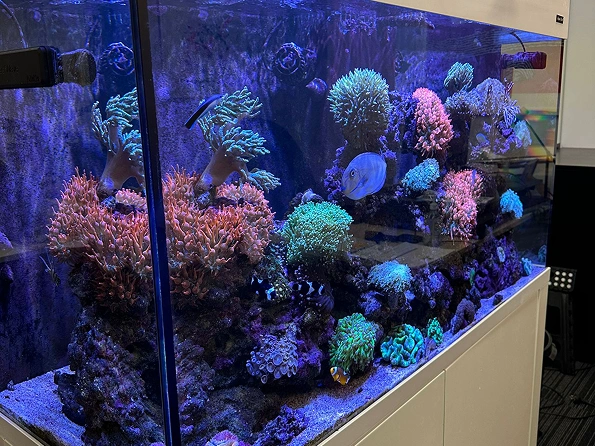
You set up a beautiful tank, but within a few days you notice the water is cloudy and the fish look stressed. The secret to a thriving aquarium is not magic; it’s finding the perfect filter for your tank.
Filtration is an integral part for the health and wellness of your tank’s aquatic life. It ensures water remains clean, well oxygenated and free of harmful chemicals.
Understanding which filter is best for your tank depends on factors like water volume, required flow rate, and the level of filtration needed. Also, before picking a filter, you need to know how they work. Mostly, filters focus on the following methods:
- Mechanical Filtration: Mechanical filters are like trash cans; they collect waste like leftover food and aquatic animal excreta. Just as a trash can needs to be emptied before it overflows, mechanical filters should be cleaned regularly.
- Biological Filtration: Biological filter or biofilter in a fish tank is a filter containing porous media that allows water to pass through it. This filter media serves as a home for aerobic, nitrifying bacteria that break down fish waste to keep the environment safe and non-toxic.
- Chemical Filtration: Using materials like activated carbon, this method removes dissolved waste, impurities and odours from the water.
In short – Mechanical filteration cleans the water, Biological makes it safe, and chemical filtration makes it crystal clear.
Here are the most common types of filters to help you choose the best fit for your aquatic world.
1. Sponge Filters
Sponge filters are cost effective and a good choice for specialized tanks. They provide great mechanical and biological filtration by drawing water through a porous sponge.
- Best for: Fry (baby fish) tanks, shrimp, hospital tanks and gentle flow lovers like Bettas.
- Cons: They lack chemical filtration and are not aesthetically pleasing. Please make sure its placement is well-planned so it does not impact the beauty of your tank.
2. Canister Filters (Best for Large Tanks)
Canister filters are external filters, usually placed inside cabinets so they don’t affect the look of the tank. They are ideal for large aquariums with big fish, high waste, heavily planted tanks and reef setups that need precise nutrient management. Due to their high efficiency, they effectively
trap waste and reduce the need for frequent water changes.
- Pros: Highly effective, quiet and reduces the need for frequent water changes.
- Cons: More expensive and require diligent maintenance as they rely on tubing and seals; leaks can occur if the unit is not maintained correctly.
3. Hang-on-Back (HOB) Filters
HOB are beginner friendly popular filters, good for small to medium-sized tanks. They hang on the tank’s edge, pull up water from the tank, clean it and return like a waterfall. They have all three features of mechanical, biological and chemical filtration.
HOB filters provide a balance between efficiency and affordability
- Pros: They offer a great balance of mechanical, biological and chemical filtration.
- Cons: They create some noise when water level drops. Also, they hang behind the tank, so if the tank is placed against the wall, it is difficult to install them.
4. Internal Filters
Internal filters as they sit inside the tank. They take up minimal space and are easy to install. These are ideal for small to medium-sized tanks.
They are affordable than external filters, almost noise proof as they remain submerged in water, which makes them ideal choices for bedrooms and offices.
- Pros: They are almost noise free, easy to install, no risk of external leaks, and are easy to maintain.
- Cons: They take up valuable space inside the tank.
There is no “one size fits all” filter. Consider your tank size, fish type, space and budget. Biggest piece of advice? When you’re serious about this hobby, avoid going to a generic chain pet store. Go to a specialty aquarium store instead. There are many top-end stores (especially here in Melbourne) that can give you expert advice – and we’ve also set up similar systems ourselves, so we understand what works and what doesn’t.
Aquarium keeping can become very expensive if you make mistakes, so finding a store that won’t sell you more than you need is key. Get expert advice on your setup, and your tank will thank you for it!
You can also explore our setup here: https://atlantisandco.com.au/