
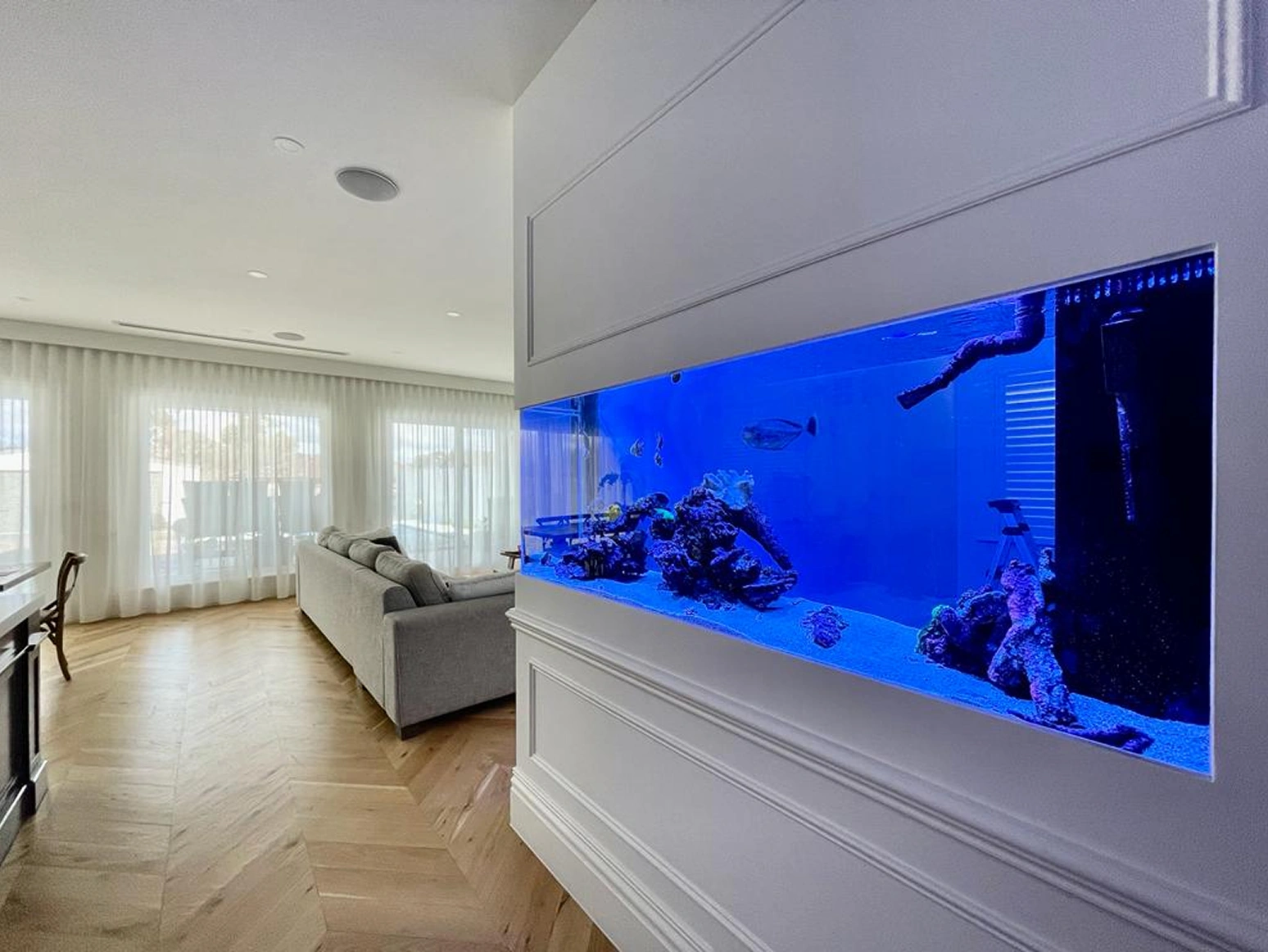
Getting an aquarium is exciting. It looks beautiful, feels calming and can completely change a space. But before buying a tank and fish, it is important to understand a few basic things.
As aquarium specialists, we often see beginners make some initial decisions that later cause water issues or fish stress.
So here are a few important things to know before setting up your first aquarium.
Choose the Right Tank Size
Many people think smaller tanks are easier to manage. But in reality, very small tanks are harder to keep stable.
A slightly larger tank holds more water, which means temperature and water conditions don’t change quickly. This makes it more forgiving for beginners and safer for your fish.
Start With Freshwater
If this is your first aquarium, freshwater is the better choice, instead of saltwater.
Saltwater tanks look amazing, but they require more monitoring and experience. Freshwatersystems are easy to maintain and ideal for learning the basics.
Avoid Overcrowding
Adding too many fish in the initial phase is the most common beginner mistake.
Too many fish create more waste, which quickly affects water quality. Starting with fewer fish and increasing gradually allows the tank to adjust properly.
Let the Tank Settle
An aquarium needs time to establish a natural balance before fish are added.
This process allows beneficial bacteria to grow. These bacteria help break down waste and keep the water safe. Skipping this step often leads to cloudy water and stressed fish.
Water Quality and Filtration
Good water quality is everything in an aquarium.
A reliable filter removes waste and keeps the water circulating. Regular partial water changes are also important to maintain a healthy environment. Clear water does not always mean healthy water, here balance is the key.
Feed Carefully
Overfeeding causes more problems than underfeeding.
Fish only need small portions once or twice a day. The extra food left in the tank decomposes and affects the water quality.
Keep the Temperature Stable
Fish are sensitive to sudden temperature changes.
Don’t place the tank in direct sunlight or near air conditioning vents. Using a quality heater (when needed) helps maintain consistent conditions.
Don’t Overdo the Cleaning
Aquariums do need maintenance, but deep cleaning too often can disturb the natural balance.
Gentle, consistent cleaning works much better than aggressively scrubbing everything at once.
Fish Compatibility is Necessary
Not all fish get along.
Before selecting species, check that they are compatible in terms of size, temperament and water requirements. Peaceful combinations lead to a healthier, stress-free tank.
Be Patient
One of the best habits you can develop is simply observing your fish.
Healthy fish are active and alert. Sudden behavioural changes can be an early sign that something is not right. Especially in the early weeks, patience is important, aquariums take time to fully stabilise.
Starting an aquarium doesn’t have to be complicated. With the right planning and a basic Understanding how tanks work, you can maintain a healthy, balanced environment from the beginning.
If you are unsure at any stage, speaking to an experienced aquarium professional can help you avoid common mistakes and set things up correctly from day one.