Category: Aquarium

  • Common Aquascaping Mistakes and How to Avoid Them

    Common Aquascaping Mistakes and How to Avoid Them

    Summary: A successful aquascape is about more than choosing beautiful plants. Avoid common mistakes like overcrowding, excessive lighting, and poor planning, and give your aquarium time to grow. The best setup is one that looks good and stays easy to maintain.

    Why Avoiding Aquascaping Mistakes Matters

    Aquascaping is a mix of creativity and nature. A beautiful tank should also be a healthy place for plants, fish, and beneficial bacteria to thrive.

    Even small mistakes can cause problems later. Too much light can lead to algae, poor plant placement can make the tank feel unbalanced, and the wrong substrate can affect plant growth.

    Knowing what to avoid can make aquascaping much easier and help you create a tank that looks good and stays healthy.

    Let’s dive into Aquascaping Mistakes!

    1. Choosing Plants Before Understanding the Aquarium

    A plant might look great in someone else’s aquarium, but that doesn’t mean it will work in yours.

    Before buying anything, it’s worth looking at what your tank can actually provide. Some aquarium plants are quite easy to grow, while others need stronger lighting, additional nutrients or CO₂. The size of the plant matters too. Something that looks small in the shop can take up a surprising amount of space once it starts growing.

    Rather than choosing plants first and figuring everything else out afterwards, look at the aquarium as a whole. The lighting, substrate, available space, and how much maintenance you are prepared to do should all have some say in what you plant.

    It’s a simple step, but choosing plants that suit your setup from the beginning can save you a lot of unnecessary changes later.

    2. Using Too Much Light Too Soon

    More light doesn’t automatically mean better plant growth.

    This is one of those aquascaping mistakes that can look promising at first. You turn the lights up because you want the plants to grow quickly, only to find algae appearing before the plants have had a chance to establish themselves.

    Light, plant growth, nutrients, and CO₂ need to work together. If one part of the setup is pushed too far, the aquarium can quickly become unbalanced.

    A consistent lighting schedule is usually a much better starting point than simply running powerful lights for longer.

    3. Trying to Copy Another Aquascape Exactly

    We’ve all done it.

    You see an incredible aquarium online, save the picture, and think, I want mine to look exactly like that.

    The problem is that two aquariums can have completely different conditions. The tank dimensions, lighting, water, plants, and equipment may all be different.

    Use other aquascapes for inspiration, but don’t treat them as an instruction manual.

    Take the parts you like — perhaps the rock arrangement, planting style or open foreground — and adapt the idea to your own aquarium.

    That’s usually how you end up with an aquascape that feels intentional rather than copied.

    4. Forgetting About the Aquarium’s Proportions

    A rock or piece of driftwood can look perfect when you’re holding it outside the tank. Put it in, and suddenly it takes up half the aquarium.

    The same thing happens with plants. They may look small when you first put them in, but some grow quite quickly and can end up hiding everything around them.

    It’s worth taking a minute to check the size of your hardscape and plants before adding anything. You don’t need to fill every part of the tank either. Leaving some room around the hardscape can make the whole setup feel less cramped and give the composition more breathing space.

    5. Planting Everything at the Same Height

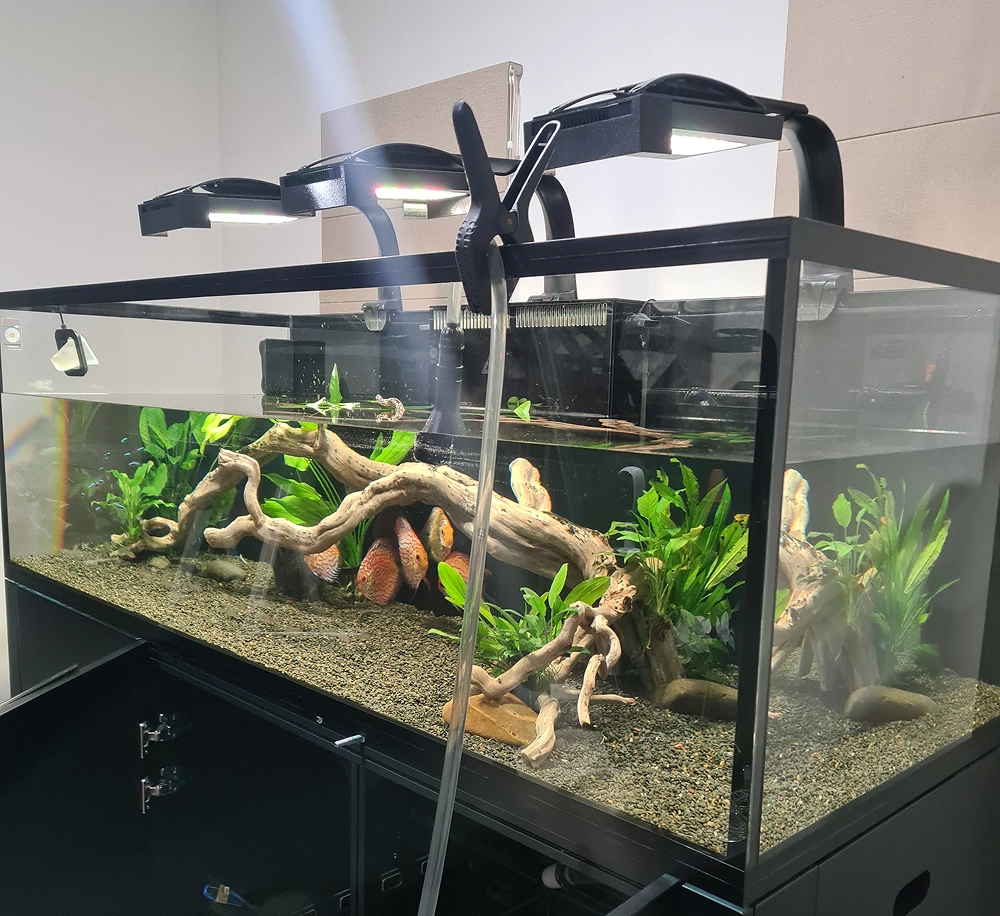
    A common beginner aquascaping setup has plants arranged almost like a garden bed — everything sits at roughly the same height.

    It can make the aquarium look flat.

    A better approach is to create different layers. Shorter plants can work towards the front, while taller plants can gradually build height towards the back or around the main hardscape.

    This creates depth and gives your eye somewhere to travel.

    And remember: plants grow. Leave enough room for them to fill out without immediately taking over the entire composition.

    6. Adding Too Many Plants Because the Tank Looks Empty

    This one is tempting, especially during the first few days.

    You finish the hardscape, add a few plants, and look at the aquarium thinking, It still looks a bit bare.

    So you add more.

    Then more.

    A few weeks later, everything has grown, and you can barely see the original hardscape.

    Planting with the mature aquarium in mind is important. Some spaces that look empty initially are meant to stay open, while other areas will fill out naturally as the plants establish themselves.

    Patience is part of aquascaping.

    7. Ignoring the Substrate

    It’s easy to forget about the substrate when you’re busy choosing rocks, wood, and plants.

    But substrate matters. Its type and depth can affect how well your plants grow and how the whole aquarium looks.

    You can also use the substrate to create a slight slope, with more substrate towards the back. This can create a stronger sense of depth and make the aquarium appear larger.

    So decide on your substrate before you start putting everything else in. It’s much easier to build the layout around it than to try to change it later.

    8. Changing Everything When Something Goes Wrong

    A little algae appears.

    A plant loses a few leaves.

    Something isn’t growing as quickly as expected.

    The temptation is to change the light, add more fertilizer, move the plants, change the water, and adjust the CO₂ all at once.

    That’s rarely helpful.

    When several things are changed simultaneously, it becomes difficult to understand what actually solved the problem — or what caused the next one.

    Make one sensible adjustment at a time and allow the aquarium to respond. Keeping track of changes can also make it easier to understand what works for your particular setup.

    9. Forgetting That Maintenance Is Part of the Design

    An aquascape isn’t finished when the last plant goes into the substrate.

    Plants need trimming. Dead leaves need removing. Glass needs cleaning. Equipment needs attention. Some plants may need to be repositioned as they grow.

    A design that looks beautiful but becomes difficult to maintain isn’t necessarily a successful aquascape.

    When planning the layout, think about how you’ll access the plants, clean the glass, and maintain the equipment six months from now — not just how the aquarium looks on installation day.

    Good aquascaping should look beautiful and be practical to maintain.

    10. Trying to Achieve Perfection Immediately

    The biggest mistake is expecting a new aquascape to look like an established one.

    A newly planted aquarium can look sparse. Plants need time to settle and grow. Some may change shape as they adapt to being fully submerged, while the balance of the whole layout can change as everything develops.

    Give it time.

    The best aquascapes aren’t necessarily the ones that look perfect on day one. They’re the ones that continue to look good as they mature.


    The Best Aquascape Is One You Can Actually Maintain

    There’s no need to overcomplicate an aquascape. A simple layout with the right plants can look just as good as a tank packed with everything.

    The key is to plan around your aquarium, rather than trying to force it into a particular style. Choose plants that suit your setup, give the hardscape room to breathe, and think about maintenance from the beginning.

    And don’t expect your aquascape to look perfect straight away. Plants take time to grow, and you’ll probably move a few things around as the aquarium settles.

    If you’re thinking about adding an aquarium or want to try an aquascape, get in touch with Atlantis & Co. We’d be happy to have a chat about what you have in mind.


    What is Aquascaping?

    Aquascaping is the art of designing and arranging an aquarium to create a visually appealing underwater landscape using aquatic plants, rocks, wood, sand, and other natural elements.

    Think of it as landscape design, but underwater. 🌿🐠

    A good aquascape considers:

    • 🌱 Plants — their size, color, and growth patterns
    • 🪨 Rocks & stones — to create structure and focal points
    • 🪵 Driftwood — for natural shapes and depth
    • 🏖️ Substrate — sand, gravel, or soil for the aquarium floor
    • 💡 Lighting — to support plant growth and enhance the design
    • 💧 Water conditions — to keep plants and aquatic life healthy

    Popular styles include Nature Aquarium, Iwagumi, Dutch Style, and Jungle Style.

    In simple terms: Aquascaping = creating an underwater landscape that looks beautiful while providing a healthy environment for aquatic life.

    Frequently Asked Questions

    What are the most common aquascaping mistakes?

    Some of the most common mistakes include choosing plants that don’t suit the aquarium, using too much light, overcrowding the tank, ignoring proportions, and making too many changes at once.

    How do I avoid algae when starting an aquascape?

    Avoid pushing the lighting too hard at the beginning and make sure lighting, nutrients, plant growth, and CO₂ are properly balanced. A consistent routine is generally better than making frequent major adjustments.

    How many plants should I put in an aquascape?

    There isn’t one ideal number. The right amount depends on the size of the aquarium, the plants you choose, and the look you want to create. Remember to account for how much the plants will grow over time.

    How long does it take for a new aquascape to look established?

    It depends on the plants and setup, but a new aquascape generally needs time to settle and grow. It’s normal for a newly planted aquarium to look sparse at first.

    Is aquascaping difficult for beginners?

    Aquascaping can be very approachable for beginners when the aquarium is planned around suitable plants, lighting, substrate, and maintenance requirements. Starting simple can make it much easier to manage.
  • Aquarium Cycling Explained: Why It’s Essential Before Adding Fish

    Aquarium Cycling Explained: Why It’s Essential Before Adding Fish

    Summary: Aquarium cycling gives beneficial bacteria time to establish and safely process fish waste before fish are added. Learn how the process works, how long it takes, how to speed it up safely, and how to test when your tank is ready.

    Aquarium Cycling Explained: Why It’s Essential Before Adding Fish

    Setting up a new aquarium is a lot of fun. You get the tank, find the perfect spot, and start looking at all the vibrant fish you want to buy. Because it’s so exciting, it is tempting to try and finish the whole setup in an afternoon.

    But before you add fish, there is one essential step you can’t afford to skip: aquarium cycling.

    One of the most frequent questions we answer here in Melbourne is whether fish can go straight into a freshly filled tank. The truth is, it’s always better to hold off.
    Cycling gives the water time to become stable and safe. A little patience now saves you a lot of headaches later.

    What is aquarium cycling?

    Aquarium cycling, or Fishless cycling, is a form of maturing an aquarium. It’s the process of growing “good bacteria” in your tank to protect your fish.

    Fish poop, breathing, and leftover food create a hidden poison in the water called ammonia.

    In the wild, nature cleans this up automatically. In a home aquarium, you have to build that ecosystem from scratch.

    Cycling is just the time it takes for a massive colony of helpful bacteria to grow in your filter. These tiny helpers eat the bad chemicals and turn them into safe ones. It’s like setting up a natural, 24/7 waste management system for your tank.

    Why can’t I add fish straight away?

    When you first fill a tank, the water is entirely sterile and lacks the natural bacteria needed to handle fish waste.

    As soon as you introduce fish, their waste and leftover food begin to decay, creating a massive spike in ammonia. Because there are no helpful bacteria to consume it yet, this invisible poison builds up fast and can easily kill your fish.

    Cycling is just the process of waiting for that bacterial colony to move into your filter. Once they grow, they safely convert ammonia into nitrite and then into nitrate, which you can easily clean out during routine water changes. Until that cycle is fully running, the water just isn’t safe.

    How long does aquarium cycling take?

    Usually it takes 4 to 6 weeks.

    But there is no magical shortcut. Every tank moves at its own pace, so never guess based on days or weeks.

    The only way to know your tank is ready is by testing the water. It requires some patience, but waiting a month now is a lot better than watching your brand-new fish die next week.

    Can I make the process faster?

    Yes, you can skip some of the waiting.

    The easiest way is to buy bottled live bacteria to kick-start the tank. Another great trick is to grab an old filter sponge or some gravel from a friend’s established, healthy tank – it’s already packed with the good bacteria you need.

    While these shortcuts cut down the waiting time, they are not magic. You still cannot guess. You absolutely must test your water to prove the tank is safe before buying any fish.

    How do I know my aquarium is ready?

    Stop guessing and buy a water test kit. It is the only way to know if your tank is safe. Your cycle is officially done when your test kit reads:

    Ammonia: 0

    Nitrite: 0

    Nitrate: A low, safe number.

    If you see any ammonia or nitrite content, the tank is not ready. Once you hit those perfect zeros, you can finally buy your first fish.

    If reading the test tubes and colour charts sounds like a headache, don’t sweat it. We do this every day for our clients – our aquarium maintenance services can take care of the testing for you.

    Common mistakes to avoid

    Once your tank is finally cycled, the biggest trap is rushing out to buy all your fish at once. It is much safer to introduce them slowly over a few weeks. This gives your filter time to adjust to the extra load without causing a sudden water crash. You also need to protect the bacteria living in that filter, which means keeping it far away from the kitchen sink. Running tap water contains chlorine that will instantly wipe out your entire bacteria colony. When your filter sponges get dirty, just rinse them out in a bucket of old tank water instead.

    Is aquarium cycling really worth the wait?

    Absolutely.

    But skipping the cycle is never worth it. Putting in the time now just makes tank care so much easier down the road. When your tank is properly cycled, the water stays stable, your fish stay healthy, and you don’t have to constantly panic over water chemistry.

    Spending a few weeks waiting right now is far better than dealing with a tank crisis and a bunch of dead fish later on.


    Give Your Aquarium Time to Cycle

    Waiting for an empty tank to cycle is boring, but skipping it is the fastest way to fail. Taking the time to grow your bacteria colony is the absolute best thing you
    can do for your new fish.

    If you are based in Melbourne and want to make sure your water is actually safe before you buy your fish, get in touch with us. We can help you out with water testing, picking the right filters, and getting your setup dialled in so you can
    actually enjoy your aquarium for years to come.


    Frequently Asked Questions

    How long does aquarium cycling take?

    There’s no set calendar day because every tank reacts differently based on your water temperature and what kind of filter you run. Don’t cross off days on a calendar and assume it’s safe — you actually have to test the water. Your test kit will tell you when it’s ready, not the clock.

    What happens if I add fish before the aquarium is cycled?

    They’ll likely die. Their own waste turns into raw ammonia almost instantly, and since your filter has zero good bacteria yet, that poison just sits there. It burns their gills and suffocates them. It’s a brutal way for fish to go, so just wait it out.

    How do I know when my aquarium cycle is complete?

    Aquarium cycles are complete when water tests show zero ammonia and nitrite, with the presence of nitrates indicating the process is finished. Before adding fish, any detectable ammonia level requires continued waiting.

    Can aquarium cycling be sped up?

    Yeah, you can speed it up with old filter gunk or bottled bacteria. Just test the water before buying fish.

    Can I add all my fish once the tank is cycled?

    No, don’t do that. Add them slowly- a few at a time over weeks. If you put them all in together, the tank gets flooded with too much poop, and the new bacteria just crashes.

    How should I clean my aquarium filter after cycling?

    Avoid rinsing filter sponges under tap water, as chlorine present in water can damage or kill the beneficial bacteria living in the filter. Instead, rinse them gently in a bucket of old aquarium water whenever they need cleaning.

  • Why Every Modern Workplace Should Have an Aquarium

    Why Every Modern Workplace Should Have an Aquarium

    Every workplace has its own unique personality. Some are fast-paced and loud, while others are quiet and focused. No matter the setup, every business wants to create a space where people actually feel comfortable, whether that is your team arriving each morning or a new client walking through the door.

    We have spent years installing aquariums in offices, clinics and commercial spaces around Melbourne. Along the way, we noticed a consistent pattern: the tank is almost always the first thing people spot and the main thing they remember later.

    It does not shout for attention. People are just naturally drawn to the water. Visitors stop to watch it, employees take a quick mental break between tasks and it quickly becomes a normal part of the daily workplace culture.

    It is exactly why so many local businesses now see a custom aquarium as a valuable asset rather than just background decoration.

    It Changes the Feel of the Office

    One thing we have experienced over the years is that an aquarium doesn’t just fill an empty space, it changes the atmosphere around it.

    Spend a few minutes in an office reception with a custom aquarium and you’ll probably notice people naturally slowing down. Visitors pause to watch the fish. Employees walking past often glance at the tank, naturally.

    And sometimes that’s enough to break up a busy afternoon.

    Reception Areas Feel Less Like Waiting Rooms

    Nobody enjoys waiting and staring at walls.

    Whether it’s arriving early for a meeting or sitting in reception before an appointment, those few minutes can sometimes feel much longer than they actually are.

    We have observed this in law firms, wellness spaces and corporate offices.

    The interesting thing is that an aquarium gives people something enjoyable to focus on in that wait period.

    Children become fascinated almost instantly. Adults are no different – they find themselves admiring different fish species and their vibrant colours.

    Before they know it, they are no longer thinking about how long they have been waiting.

    It’s a small detail, but it completely changes the visitor’s experience.

    Clients Remember It

    Businesses spend a lot of money creating a good first impression.

    Reception desks are carefully designed.

    Furniture is chosen to suit the brand.

    Artwork is selected to match the interior.

    Yet, quite often, it’s the aquarium people remember.

    Not because it was the biggest feature in the room. Because it was different.

    Most offices have nice furniture. But very few have a living display that constantly changes throughout the day.

    Yet, quite often, it’s the aquarium people remember.

    It Gets People Talking

    Business conversations rarely begin with business. They usually start with introductions, casual conversations and trying to break the ice.

    An aquarium gives people something easy to talk about. Someone might stop to have a look, point out a fish or mention how relaxing it is.

    It’s a small thing, but it helps create a more comfortable atmosphere.

    Every Aquarium Looks Different

    No two offices are the same, so no two aquariums should be either.

    Some clients want a simple freshwater aquarium that fits neatly into their reception area. Others are looking for something larger that becomes a feature of the space.

    A lot depends on the office itself, such as its layout, available space, and overall design.

    We have found that the best results usually come when the aquarium is planned as part of the fit-out, rather than trying to squeeze one in after everything has already been finished

    It’s Surprisingly Easy to Own

    When we are talking to new clients, maintenance is usually one of the first questions that comes up.

    Many people assume an aquarium will be time-consuming.

    It does need regular care, but it doesn’t mean anyone in the office has to become an aquarium expert. That’s why many businesses choose a professional maintenance service from the start.

    Our team looks after everything behind the scenes, like water testing, equipment checks, cleaning, water changes and making sure everything continues running as it should.

    The goal is simple – Your team enjoys the aquarium.

    We look after everything else.

    A Good Aquarium Never Stands Still

    Unlike artwork or furniture, an aquarium is always changing.

    Different fish appear throughout the day.

    Corals open and close.

    Lighting changes the colours from morning to evening.

    Even employees who walk past the same aquarium every day often notice something new.

    That’s probably why people don’t get tired of them.

    Final Thoughts

    A custom aquarium isn’t simply another decorative feature.

    It brings movement into a static space.

    It creates conversation without trying.

    It makes waiting areas feel more welcoming and gives people a small moment to switch off during a busy day.

    Those are things that can’t really be measured on a spreadsheet, but they are noticeable once the aquarium becomes part of the workplace.

    If you have been thinking about adding an aquarium to your office or commercial space, we would love to hear your ideas.

    At Atlantis & Co., we design, install and maintain custom aquariums for offices, commercial spaces and homes across Melbourne.

    To see some of our recent work or get in touch, visit: https://atlantisandco.com.au/

  • How Water Quality Affects Fish Health

    How Water Quality Affects Fish Health

    When someone buys a new aquarium, the focus is mostly on the fish. Which ones to get, what tank to buy and how everything will look once it’s set up.

    The water tends to be an afterthought.

    Over the years, we’ve seen that the health of an aquarium almost always comes back to water quality. Get that right, and everything else becomes much easier.

    Clear Water Doesn’t Always Mean Healthy Water

    A common mistake is judging a tank just by how it looks. If the water is crystal clear, people assume the fish are safe. But looks can be deceiving.

    We often test spotless tanks that actually have dangerous, invisible water issues. On the other side, slightly cloudy tanks can sometimes be perfectly healthy. Clean looking water does not automatically mean safe water.

    Your Fish Usually Tell You First

    Fish don’t just get sick overnight. They usually give you clues first.

    Watch their behavior. Are they hiding? Skipping meals? Losing their color? It’s easy to blame a disease, but the water is usually the real issue. We can’t tell you how many times we have checked on “sick” fish, only to find out the water quality was the actual problem.

    The Little Things Matter Most

    Tank care doesn’t need to be complicated. You don’t have to change all the water every week or spend hours scrubbing everything.

    It’s just about basic habits. Doing small water changes, cleaning the filter, not overfeeding and checking your gear keeps everything stable.

    It’s those quick, regular chores that actually keep your fish happy and healthy.

    Every Aquarium Behaves Differently

    Every tank is different. Even if you set up two identical tanks with the exact same fish, they won’t act the same.

    One in a bright living room might get way hotter in summer than one in a dark office. Some evaporate fast and need constant top-offs, while others don’t. That is why a cookie-cutter maintenance schedule never works. You just have to learn how your specific tank behaves.

    Testing the Water Is Worth It

    Most people only test their water when things don’t look right. But, that’s the worst time to do it.

    A quick check every now and then can pick up small changes before they become bigger ones. It saves a lot of guesswork later and gives your fish a much better chance of staying happy and healthy.

    Regular water checks make it easier to fix a small issue early than try to deal with sick fish later on.

    Spend Time Watching Your Aquarium

    You can learn a lot just by watching your aquarium.

    After a while, you get to know your fish. You know which ones are always first to the food, which ones like to hide and what is normal for your tank

    So when something changes, it usually stands out.

    It’s not a replacement for regular maintenance or water testing, but paying attention to your aquarium can often help you spot a problem early.

    Final Thoughts

    Healthy fish don’t happen by chance.

    They come from clean, stable water and a little regular care.

    You don’t need to chase perfect water test numbers or completely change your maintenance routine every few weeks. Looking after the basics consistently usually does far more than making big changes every now and then.

    If there’s one thing we have learnt after years of maintaining aquariums across Melbourne, it’s this:

    Look after the water and your fish will usually look after themselves.

    Need a hand or just want some advice? We’re always up for a chat.

    At https://atlantisandco.com.au/, We design, build and look after custom freshwater and saltwater tanks for homes and businesses across Melbourne. Whether you are trying to get a new setup off the ground or need a hand looking after your current one, we are here to help.

    Drop us a line – usually, a quick chat is all it takes to fix a small issue before it turns into a massive headache.

  • Seasonal Aquarium Care: What Changes Between Melbourne’s Summer and Winter?

    Seasonal Aquarium Care: What Changes Between Melbourne’s Summer and Winter?

    Do aquariums need different care throughout the year?

    Yes, they do. Not because everything changes, but because Melbourne’s weather does.

    In summer, it is usually warmer water and faster evaporation. In winter, it is making sure the heater is doing its job and not worrying if your fish seem a little quieter.

    The basics stay the same throughout the year. It’s just the little things you watch that change from season to season.

    Summer usually keeps us busier

    Summer brings the most questions. Mostly people think their aquarium has a leak, but it’s often just the water evaporating faster in the heat.

    Melbourne’s weather can jump from mild to scorching instantly. Hot weather can also warm up the tank and if it gets plenty of sunlight, algae may start growing a little faster too.

    A quick check of the water temperature every now and then is usually enough to make sure everything is staying on track. None of this means you need to worry. It simply means you should check in on your aquarium a little more frequently during the hot months.

    Winter brings different questions

    Winter is usually a little easier on aquariums, but it’s also the time when equipment often gets ignored.

    We have seen tanks that looked perfectly fine but the heater had actually stopped working properly. Because the water was still clear, there was not any clear sign that something was wrong.

    You may also notice your fish being a little less active during winter. In most cases, that’s completely normal. As long as the water temperature stays steady and the water quality is good, there is usually nothing to worry about.

    No two aquariums behave the same

    If this job has taught us anything, it is that you can never really compare one tank to another.

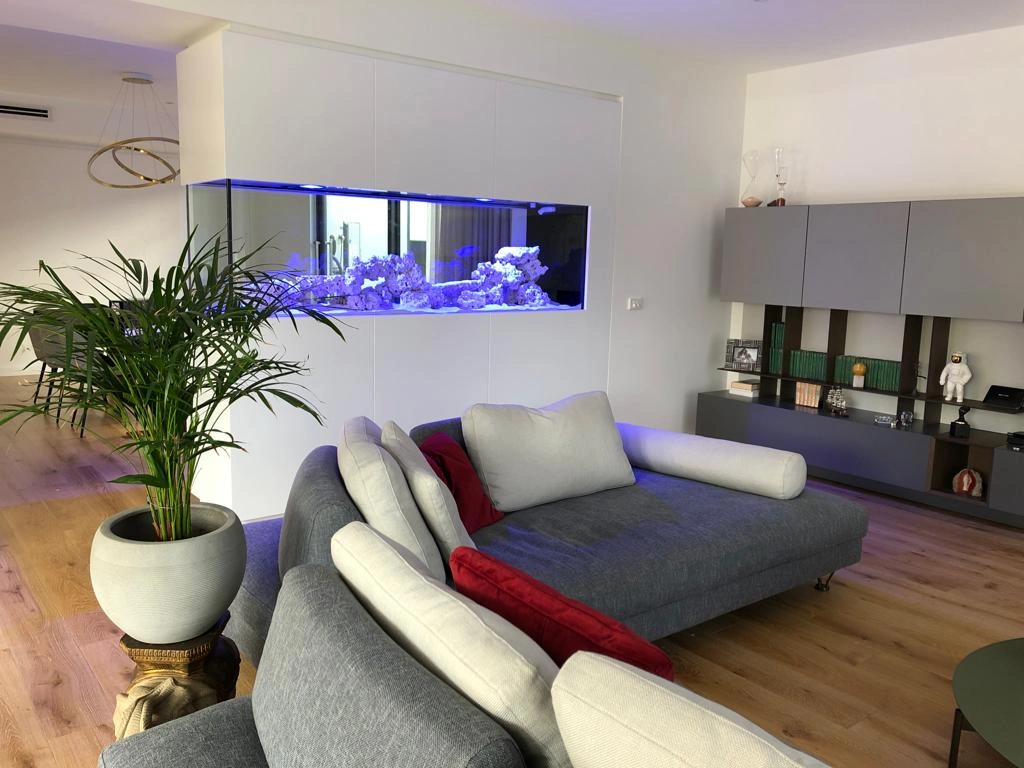
    A small freshwater setup sitting in a sunny apartment will handle the seasons completely differently than a massive marine tank built into a living room wall. Even if you have two identical tanks, they can still act like total opposites just based on the corner they sit in, the natural light they catch or the gear keeping them running.

    Honestly, sometimes the best tool you have is just a few quiet minutes spent watching your tank. When you know what its normal looks like, you will catch the tiny changes long before they turn into actual headaches.

    The basics don’t really change

    The most common question we get often is whether aquarium care changes completely between summer and winter.

    The answer is No.

    What does change is what you pay a little more attention to.

    No matter the season, the basics don’t change. Clean water, a healthy filter, clean equipment and regular water changes are what matter most.

    In summer, it’s the water temperature and evaporation. In winter, it’s your heater. That’s really about it. You don’t need to do a lot more as the seasons change.

    The Takeaway

    Looking after an aquarium is about being consistent, not trying to make everything perfect. You don’t need to spend hours working on your tank every week and there is no need to completely reset everything with seasonal changes. A few regular checks and a bit of routine maintenance usually make all the difference.

    Melbourne’s seasons will keep changing, that is something we can’t control. Making sure your aquarium is ready for those changes is the part we can do.

    Need a hand with your aquarium?

    At https://atlantisandco.com.au/ , we look after tanks all across Melbourne, from small freshwater setups to massive custom marine systems.

    Some of our clients love getting their hands dirty and just call us for occasional advice. Others prefer to leave the maintenance to us completely.

    Not sure what your aquarium needs this season? Get in touch. We’d be happy to point you in the right direction.

  • Why Luxury Homes Are Embracing Built-In Aquariums

    Why Luxury Homes Are Embracing Built-In Aquariums

    If you’d asked a few years ago what homeowners wanted in a luxury home, the answer probably would have been a home theatre, a wine cellar or an outdoor entertaining area.

    These features are still around, but we have noticed another trend as well. People are asking about built-in aquariums.

    What is interesting is that the majority are not experienced fish hobbyists. But homeowners are simply looking for something a little different, which feels lively.

    That’s exactly where a built-in aquarium fits.

    It’s Part of the Home, Not Just Something You Add

    There is a big difference between buying an aquarium from a shop and planning one as part of your home.

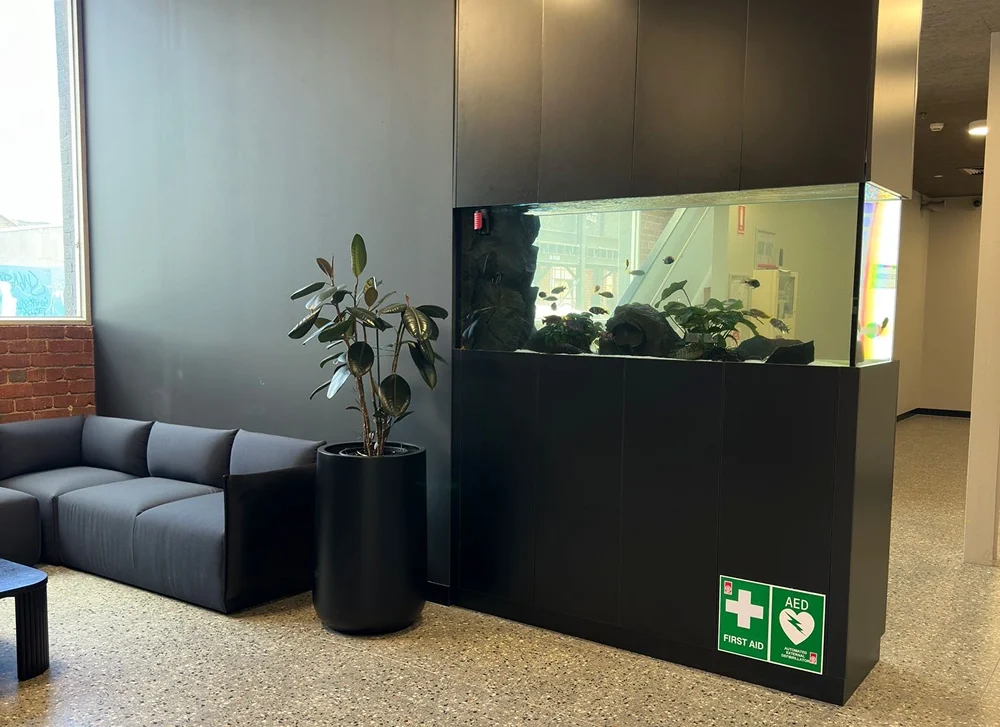
    A built-in aquarium is usually considered while the house is still being designed. It might be built into a feature wall, used to separate two living spaces or become part of the cabinetry.

    Because it is planned from the start, it feels like it belongs there. It does not look like someone found an empty corner and decided to put a fish tank in it.

    That’s one of the biggest reasons these aquariums have become so popular in newer homes around Melbourne.

    It Gives a Room Something Extra

    Every room has something that catches your eye. Sometimes it’s a fireplace. Sometimes it’s a beautiful view or a piece of artwork.

    An aquarium does the same thing, but it feels more alive. Fish are constantly moving. Corals slowly grow and change over time. Even the way the light reflects through the water changes throughout the day.

    It’s the kind of feature people naturally attract towards.

    It Suits the Way Homes Are Designed Today

    A lot of modern homes have open spaces, simple finishes and clean lines. An aquarium works surprisingly well in that sort of setting because it adds movement without making the room feel busy.

    We have installed aquariums in living rooms, dining areas, home offices and even entrance halls. Every project is different, but the goal is always the same.

    In short, aquariums should feel part of the home – not just an art piece lying in the corner.

    Right Planning Makes Things Easier

    It is always advisable to think about an aquarium in the very beginning, if you want one in your dream home. Planning ahead gives enough time to work out the plumbing, electrical connections, filtration system etc.

    The equipment is mostly hidden away, so you never really notice it. But it’s what keeps everything running smoothly, which is why planning it properly from the beginning matters.

    It’s About More Than Looks

    A built-in aquarium looks impressive and catches people’s attention. But it is not just about how it looks.

    People talk about how relaxing it is to sit and watch. How the kids engage and name their favourite tank creature. Or how visitors always stop for a closer look.

    Those are the things people actually remember. So it is not just another design feature. It becomes part of everyday life in the home.

    Final Thoughts

    Every home has its own style and a built-in aquarium is not the right choice for everyone.

    But when it is designed to compliment the space, it can become one of the most enjoyable features in the house.

    If you are building or renovating a home, it is worth thinking about it early in the design process. It gives you more options that leads to a much better result.

    At https://atlantisandco.com.au/ , we work with homeowners, builders, architects and interior designers across Melbourne to create custom aquariums that fit naturally into the homes they are designed for.

    If you are still in the planning stage and have questions, we are always happy to have a chat – sometimes a quick conversation is all it takes to work out what’s possible.

  • How Much Does Aquarium Maintenance Cost in Melbourne?

    How Much Does Aquarium Maintenance Cost in Melbourne?

    We get asked this quite a bit, usually after someone has bought an aquarium and realised there is a little more involved than feeding the fish.

    The first thing to know is that aquarium maintenance is not really a “one size fits all” service.

    A small freshwater tank with a few tropical fish is usually pretty straightforward. A large reef tank full of coral is a different story altogether. Both are aquariums, but the amount of work behind the scenes can be worlds apart.

    Bigger Tanks Usually Mean More Work

    This catches some people by surprise.

    A larger aquarium does not just hold more water. It often means larger filters, longer cleaning times and bigger water changes.

    That is why maintenance costs for a 100 litre tank are going to look very different from a large built in display aquarium.

    Saltwater Aquariums Need More Attention

    Freshwater aquariums are generally easier to keep on top of.

    With marine aquariums, there is usually more testing involved and water quality tends to be a little less forgiving. Corals, in particular, can be quite sensitive if conditions are not right.

    That is not a reason to avoid a marine aquarium. It is just something worth knowing before you get one.

    The Aquarium’s Condition Matters Too

    Two aquariums can be exactly the same size and still take completely different amounts of time to service.

    We have seen tanks that only need a quick tidy up and others where the glass is covered in algae and the filters have not been touched in months.

    Naturally, one takes longer than the other.

    Most People Start Out Doing It Themselves

    And honestly, plenty of people do a great job.

    But life gets busy.

    A missed water change turns into two. The algae starts creeping in. The filter gets pushed down the to do list.

    Before long, the aquarium is not looking quite the way it did when it was first set up.

    That is usually when people give us a call.

    So What Does It Actually Cost?

    There is not a flat rate that works for every aquarium.

    A small freshwater setup is very different from a large reef tank, and the amount of maintenance required can vary quite a bit.

    That’s why most maintenance providers prefer to have a look at the tank before putting together a quote.

    Wrapping Up

    A bit of regular maintenance is much easier than dealing with algae, cloudy water or equipment issues later on. We have seen plenty of aquariums that could have been kept in great shape with a little ongoing care, but ended up needing far more work than necessary after being neglected for months.

    If you are based in Melbourne and finding it hard to keep up with aquarium maintenance, that’s where we can help. At https://atlantisandco.com.au/, we look after everything from small freshwater tanks to large marine displays, tailoring our service to suit your aquarium’s needs. If you are unsure how often your tank should be cleaned or serviced, get in touch – we are always happy to have a chat and see what might work best for your setup.

  • 5 Mistakes Restaurant Owners Make When Choosing an Aquarium

    5 Mistakes Restaurant Owners Make When Choosing an Aquarium

    A great fish tank can easily become the most talked about feature in your restaurant. But over the years, we have seen business owners make the same exact mistakes time and time again.

    Most of these headaches are incredibly easy to avoid. It all just comes down to a bit of basic planning before you buy.

    1. Choosing the Tank Before Choosing the Location

    Nailing your aquarium’s location before buying the tank is the ultimate secret to restaurant design success.

    Finding the best spot first ensures guests can see the tank, staff can clean it easily and it fits the room perfectly. Planning the setup early prevents stressful problems and turns your aquarium into a beautiful attraction everyone will enjoy.

    2. Assuming Bigger Is Always Better

    People think a massive tank is the only way to wow people, but huge does not always mean better. We see smaller tanks steal the show, simply because they fit the layout perfectly. On the other side, a giant tank can easily take over a room and make the whole dining area feel cramped.

    So you do not need to go huge to make an impact. The best tank is always the one that actually looks like it belongs in the room.

    3. Forgetting About Maintenance

    Every tank looks awesome on day one. The real test is how it looks six months later when the glass turns green, filters get dirty and the water needs changing. This work is easy if you plan for it from the start. But, many people forget about maintenance until they are stuck staring at am cloudy tank.

    If you want a display that stays beautiful, you have to design the setup around how you are actually going to clean it.

    4. Choosing the Wrong Style for the Restaurant

    Not every aquarium suits every venue.

    A bright reef aquarium packed with colour can look incredible in the right setting. In another restaurant, it might feel completely out of place.

    The same applies to freshwater aquariums, planted displays and custom-built feature tanks. The aquarium should complement the overall style of the restaurant rather than compete with it.

    When the design feels connected to the space, the result is usually far more successful.

    5. Focusing Only on the Installation

    Don’t just think about how good the aquarium will look when it’s first installed or how much it will add to the atmosphere of the restaurant.

    It’s also worth thinking about how it will look a year down the track. Good filtration, reliable equipment and regular maintenance are what keep an aquarium looking clean and healthy over time. Without them, even a great looking setup can quickly lose its appeal.

    The best restaurant aquariums are not necessarily the biggest, most expensive or most complicated.

    They are the ones that suit the venue, remain easy to maintain and continue looking great long after the installation is complete.

    At atlantisandco.com.au/, we help restaurants across Melbourne design, install and maintain aquariums that are built for the long term, not just for opening day.

  • Dealing with Tank Algae: Easy Steps for Melbourne Aquarium Owners

    Dealing with Tank Algae: Easy Steps for Melbourne Aquarium Owners

    Most fish keepers run into algae sooner or later. One week, the tank looks clean, and before you know it, there is a green layer starting to appear on the glass or decorations again.

    A little algae is fairly normal and nothing to worry about. The problem starts when it begins spreading faster than you expected and starts taking over the look of the tank.

    We jump for an algae treatment straight away, but that usually is not the real solution. In many cases, there is an underlying reason for the growth, whether that’s too much light, feeding a bit more than necessary, or waste gradually building up in the aquarium.

    Mind the Lights

    Algae is just a simple plant. It needs light to live. If you leave your tank lights running from breakfast until bedtime, you are basically building an algae farm.

    Cut the timer back to six or seven hours a day. Also, take a look at Melbourne’s changing weather. If your tank is near a window and getting hit by direct afternoon sun, it’s going to turn green fast. Move the tank or shut the blinds.

    You might be Feeding Too Much

    It is so easy to overfeed fish. They always act like they are starving. But any leftover flakes or pellets drop to the bottom and rot. That rotten food turns into pure fertiliser for algae.

    Only feed them what they can finish in a minute. If food is hitting the gravel untouched, cut back. Less food equals less algae. Simple as that.

    Get some Helping Crew

    Some aquarium species happily graze on algae throughout the day, which help keep things looking cleaner between maintenance sessions.

    Bristlenose Catfish, Mystery Snails and Glass Shrimp are all commonly used for this. They won’t get rid of an algae problem overnight, but they can certainly help keep it under control.

    Just make sure any new additions are a good fit for the fish already living in your tank.

    Don’t Skip the Water Changes

    A lot of algae problems start when waste is allowed to build up in the tank.

    Changing some of the water every week or two can help keep things in check. It’s also worth cleaning the gravel at the same time, as leftover food and fish waste often accumulate there unnoticed.

    Keeping the tank clean won’t stop algae completely, but it can make a noticeable difference over time.

    Swap to Real Plants

    If you only have plastic plants, think about switching to real ones. Hardy stuff like Java Fern or Anubias is super easy to grow. Live plants eat the same nutrients that algae do. Because real plants are hungrier, they starve the algae out naturally.

    An aquarium should bring peace to your home, not stress. If you are struggling with a stubborn outbreak or just don’t have the time for maintenance, our team at https://atlantisandco.com.au/ can sort it out for you. We handle tank cleaning and Aquascaping all across Melbourne.

    You can book a tank clean or grab some advice through our Contact Page. We’ll get your view crystal clear again.

  • Weekly vs Monthly Aquarium Maintenance: Which Schedule Makes More Sense?

    Weekly vs Monthly Aquarium Maintenance: Which Schedule Makes More Sense?

    One of the questions we get asked quite a bit at Atlantis & Co is whether an aquarium really needs weekly maintenance.

    We normally hear this question once the “new tank excitement” settles down. The aquarium looks good, the fish seem happy and nothing appears to be wrong. At that point, it’s pretty common to wonder whether weekly maintenance is really necessary or if monthly refresh would do the job.

    As with most things in fishkeeping, the answer depends on the setup.

    Not Every Aquarium Gets Dirty at the Same Rate

    Two aquariums of the same size may still require completely different levels of maintenance.

    A lightly stocked freshwater tank with a handful of fish might stay looking clean for weeks.

    A heavily stocked aquarium with larger fish can be a completely different story.

    We have seen tanks where the glass starts collecting algae again just a few days after cleaning. We have also seen established aquariums that barely need the glass touched for weeks.

    That is why there is not a universal maintenance schedule that works for everyone.

    What Usually Happens During Weekly Maintenance?

    Weekly maintenance is not about pulling the aquarium apart.

    Most of the time it is fairly straightforward.

    The glass gets cleaned, water is changed, equipment is checked and any obvious issues are dealt with before they become bigger problems.

    A little regular maintenance goes a long way. Many aquarium owners notice a big difference just from routine water changes and keeping the glass clean.

    Why Some Owners Prefer Weekly Checks

    A lot of our clients choose weekly maintenance because they simply don’t want to think about it.

    Their aquarium is there to be enjoyed.

    They don’t want to spend Sunday afternoons scraping algae, checking pumps or dragging buckets through the house.

    For office aquariums, restaurants and commercial displays, weekly maintenance is usually the safer option as well. These tanks are on display every day, so keeping them looking their best matters.

    When Monthly Maintenance Can Work Well

    Monthly maintenance is not necessarily cutting corners.

    A well established freshwater aquarium can do just fine with monthly maintenance, especially if it is not overcrowded and has a good filter.

    That does not mean you can completely forget about it in between though.

    If the water level starts dropping, the fish are not acting normally or the filter suddenly starts making strange noises, it is worth checking things sooner rather than waiting for the next scheduled service.

    The Biggest Mistake We See

    Most aquarium problems don’t come from choosing monthly maintenance.

    They come from stretching monthly maintenance into “whenever I get around to it.”

    There is a difference.

    One month becomes six weeks.

    Six weeks becomes two months.

    Then suddenly the filter has not been checked for ages and the algae has taken over half the glass.

    By that stage, the aquarium usually needs more than a routine service.

    Reef Tanks Are a Different Conversation

    If you keep corals, the maintenance discussion changes slightly.

    Reef aquariums tend to reward consistency.

    Small changes in water quality that a freshwater tank might tolerate can affect coral health much faster.

    That’s one reason many reef keepers prefer a weekly routine, even when the tank appears to be doing fine.

    Experienced reef hobbyists know that problems are much easier to prevent than fix.

    A Quick Reality Check

    One thing worth mentioning is that clear water doesn’t always mean a healthy aquarium.

    We have visited plenty of tanks that looked fantastic from across the room.

    Then we tested the water and discovered nitrate levels were far higher than the owner expected.

    Appearance tells part of the story.

    Regular maintenance helps keep track of the things you can’t immediately see.

    So Which Option Is Better?

    Honestly, it depends on the tank.

    If you have got a reef aquarium or fish that you have invested a lot of money into, weekly maintenance can be worthwhile.

    If your freshwater tank is matured and everything is stable, a monthly service is often enough.

    There is no perfect schedule. The aim is simply to keep the tank in good shape and catch any issues before they become a problem.

    Most aquarium owners don’t buy a tank because they enjoy cleaning filters. They buy one because they enjoy watching fish, creating a beautiful space and bringing a bit of nature indoors.

    Whether maintenance happens every week or every month, consistency is what usually makes the difference.

    At Atlantis & Co, we provide aquarium maintenance services across Melbourne for freshwater aquariums, reef tanks and custom aquarium installations. If you are unsure which schedule suits your setup, we are always happy to point you in the right direction.