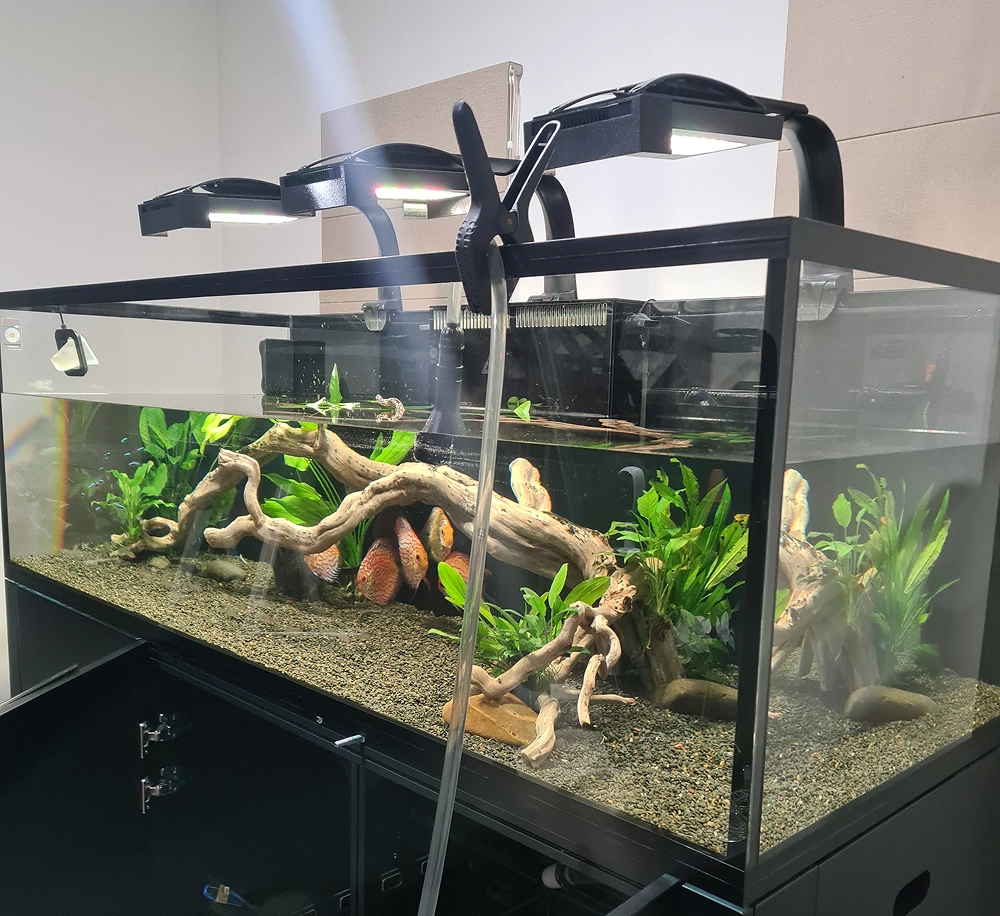
Tag: Fish Tank Cycling

  • Aquarium Cycling Explained: Why It’s Essential Before Adding Fish

    Aquarium Cycling Explained: Why It’s Essential Before Adding Fish

    Summary: Aquarium cycling gives beneficial bacteria time to establish and safely process fish waste before fish are added. Learn how the process works, how long it takes, how to speed it up safely, and how to test when your tank is ready.

    Aquarium Cycling Explained: Why It’s Essential Before Adding Fish

    Setting up a new aquarium is a lot of fun. You get the tank, find the perfect spot, and start looking at all the vibrant fish you want to buy. Because it’s so exciting, it is tempting to try and finish the whole setup in an afternoon.

    But before you add fish, there is one essential step you can’t afford to skip: aquarium cycling.

    One of the most frequent questions we answer here in Melbourne is whether fish can go straight into a freshly filled tank. The truth is, it’s always better to hold off.
    Cycling gives the water time to become stable and safe. A little patience now saves you a lot of headaches later.

    What is aquarium cycling?

    Aquarium cycling, or Fishless cycling, is a form of maturing an aquarium. It’s the process of growing “good bacteria” in your tank to protect your fish.

    Fish poop, breathing, and leftover food create a hidden poison in the water called ammonia.

    In the wild, nature cleans this up automatically. In a home aquarium, you have to build that ecosystem from scratch.

    Cycling is just the time it takes for a massive colony of helpful bacteria to grow in your filter. These tiny helpers eat the bad chemicals and turn them into safe ones. It’s like setting up a natural, 24/7 waste management system for your tank.

    Why can’t I add fish straight away?

    When you first fill a tank, the water is entirely sterile and lacks the natural bacteria needed to handle fish waste.

    As soon as you introduce fish, their waste and leftover food begin to decay, creating a massive spike in ammonia. Because there are no helpful bacteria to consume it yet, this invisible poison builds up fast and can easily kill your fish.

    Cycling is just the process of waiting for that bacterial colony to move into your filter. Once they grow, they safely convert ammonia into nitrite and then into nitrate, which you can easily clean out during routine water changes. Until that cycle is fully running, the water just isn’t safe.

    How long does aquarium cycling take?

    Usually it takes 4 to 6 weeks.

    But there is no magical shortcut. Every tank moves at its own pace, so never guess based on days or weeks.

    The only way to know your tank is ready is by testing the water. It requires some patience, but waiting a month now is a lot better than watching your brand-new fish die next week.

    Can I make the process faster?

    Yes, you can skip some of the waiting.

    The easiest way is to buy bottled live bacteria to kick-start the tank. Another great trick is to grab an old filter sponge or some gravel from a friend’s established, healthy tank – it’s already packed with the good bacteria you need.

    While these shortcuts cut down the waiting time, they are not magic. You still cannot guess. You absolutely must test your water to prove the tank is safe before buying any fish.

    How do I know my aquarium is ready?

    Stop guessing and buy a water test kit. It is the only way to know if your tank is safe. Your cycle is officially done when your test kit reads:

    Ammonia: 0

    Nitrite: 0

    Nitrate: A low, safe number.

    If you see any ammonia or nitrite content, the tank is not ready. Once you hit those perfect zeros, you can finally buy your first fish.

    If reading the test tubes and colour charts sounds like a headache, don’t sweat it. We do this every day for our clients – our aquarium maintenance services can take care of the testing for you.

    Common mistakes to avoid

    Once your tank is finally cycled, the biggest trap is rushing out to buy all your fish at once. It is much safer to introduce them slowly over a few weeks. This gives your filter time to adjust to the extra load without causing a sudden water crash. You also need to protect the bacteria living in that filter, which means keeping it far away from the kitchen sink. Running tap water contains chlorine that will instantly wipe out your entire bacteria colony. When your filter sponges get dirty, just rinse them out in a bucket of old tank water instead.

    Is aquarium cycling really worth the wait?

    Absolutely.

    But skipping the cycle is never worth it. Putting in the time now just makes tank care so much easier down the road. When your tank is properly cycled, the water stays stable, your fish stay healthy, and you don’t have to constantly panic over water chemistry.

    Spending a few weeks waiting right now is far better than dealing with a tank crisis and a bunch of dead fish later on.


    Give Your Aquarium Time to Cycle

    Waiting for an empty tank to cycle is boring, but skipping it is the fastest way to fail. Taking the time to grow your bacteria colony is the absolute best thing you
    can do for your new fish.

    If you are based in Melbourne and want to make sure your water is actually safe before you buy your fish, get in touch with us. We can help you out with water testing, picking the right filters, and getting your setup dialled in so you can
    actually enjoy your aquarium for years to come.


    Frequently Asked Questions

    How long does aquarium cycling take?

    There’s no set calendar day because every tank reacts differently based on your water temperature and what kind of filter you run. Don’t cross off days on a calendar and assume it’s safe — you actually have to test the water. Your test kit will tell you when it’s ready, not the clock.

    What happens if I add fish before the aquarium is cycled?

    They’ll likely die. Their own waste turns into raw ammonia almost instantly, and since your filter has zero good bacteria yet, that poison just sits there. It burns their gills and suffocates them. It’s a brutal way for fish to go, so just wait it out.

    How do I know when my aquarium cycle is complete?

    Aquarium cycles are complete when water tests show zero ammonia and nitrite, with the presence of nitrates indicating the process is finished. Before adding fish, any detectable ammonia level requires continued waiting.

    Can aquarium cycling be sped up?

    Yeah, you can speed it up with old filter gunk or bottled bacteria. Just test the water before buying fish.

    Can I add all my fish once the tank is cycled?

    No, don’t do that. Add them slowly- a few at a time over weeks. If you put them all in together, the tank gets flooded with too much poop, and the new bacteria just crashes.

    How should I clean my aquarium filter after cycling?

    Avoid rinsing filter sponges under tap water, as chlorine present in water can damage or kill the beneficial bacteria living in the filter. Instead, rinse them gently in a bucket of old aquarium water whenever they need cleaning.
  • Seasonal Aquarium Care: What Changes Between Melbourne’s Summer and Winter?

    Seasonal Aquarium Care: What Changes Between Melbourne’s Summer and Winter?

    Summary: Seasonal Aquarium Care doesn’t completely change with the seasons, but Melbourne’s weather can affect what you need to pay attention to. Learn what to watch for during summer and winter, from evaporation and water temperature to heaters and fish activity.

    Do aquariums need different care throughout the year?

    Yes, they do. Not because everything changes, but because Melbourne’s weather does.

    In summer, it is usually warmer water and faster evaporation. In winter, it is about making sure the heater is doing its job and not worrying if your fish seem a little quieter.

    The basics stay the same throughout the year. It’s just the little things you watch that change from season to season.

    Let’s take a look at what changes between Melbourne’s summer and winter, and the simple things you should keep an eye on throughout the year.

    Summer usually keeps us busier

    Summer brings the most questions. Most people think their aquarium has a leak, but it’s often just the water evaporating faster in the heat.

    Melbourne’s weather can jump from mild to scorching instantly. Hot weather can also warm up the tank, and if it gets plenty of sunlight, algae may start growing a little faster too. The NSW Department of Education also recommends keeping aquariums away from direct sunlight, as sunlight can overheat the water and encourage rapid algae growth.

    A quick check of the water temperature now and then is usually enough to make sure everything is staying on track. None of this means you need to worry. It simply means you should check in on your aquarium a little more frequently during the hot months.

    Winter brings different questions

    Winter is usually a little easier on aquariums, but it’s also the time when equipment often gets ignored.

    We have seen tanks that looked perfectly fine, but the heater had actually stopped working properly. Because the water was still clear, there was no clear sign that something was wrong. The RSPCA recommends using a suitable aquarium heater and thermometer to help maintain a stable temperature for tropical fish.

    You may also notice your fish being a little less active during winter. In most cases, that’s completely normal. As long as the water temperature stays steady and the water quality is good, there is usually nothing to worry about.

    No two aquariums behave the same

    If this job has taught us anything, it is that you can never really compare one tank to another.

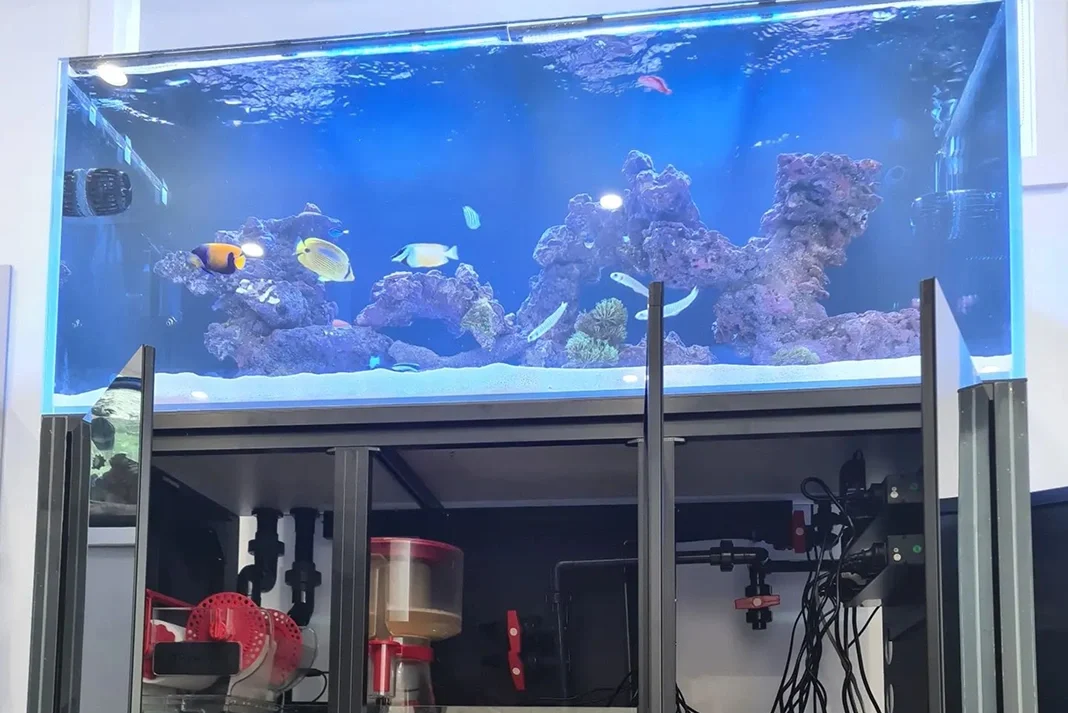
    A small freshwater setup sitting in a sunny apartment will handle the seasons completely differently than a massive marine tank built into a living room wall. Even if you have two identical tanks, they can still act like total opposites just based on the corner they sit in, the natural light they catch or the gear keeping them running.

    Honestly, sometimes the best tool you have is just a few quiet minutes spent watching your tank. When you know what its normal looks like, you will catch the tiny changes long before they turn into actual headaches.

    The basics don’t really change

    The most common question we get is whether aquarium care changes completely between summer and winter.

    The answer is no.

    What does change is what you pay a little more attention to.

    No matter the season, the basics don’t change. Clean water, a healthy filter, clean equipment and regular water changes are what matter most.

    In summer, it’s the water temperature and evaporation. In winter, it’s your heater. That’s really about it. You don’t need to do a lot more as the seasons change.

    The Takeaway

    Looking after an aquarium is about being consistent, not trying to make everything perfect. You don’t need to spend hours working on your tank every week, and there is no need to completely reset everything with seasonal changes. A few regular checks and a bit of routine maintenance usually make all the difference.

    Melbourne’s seasons will keep changing; that is something we can’t control. Making sure your aquarium is ready for those changes is the part we can do.


    Need a hand with your aquarium?

    At Atlantis and Co, we look after tanks all across Melbourne, from small freshwater setups to massive custom marine systems.

    Some of our clients love getting their hands dirty and just call us for occasional advice. Others prefer to leave the maintenance to us completely.

    Not sure what your aquarium needs this season?

    Get in touch. We’d be happy to point you in the right direction.


    Frequently Asked Questions

    Does aquarium care change between summer and winter?

    The basics of aquarium care stay the same throughout the year. However, Melbourne’s seasonal weather means you may need to pay more attention to things like water temperature and evaporation in summer, and your heater during winter.

    What should I check in my aquarium during summer?

    During summer, keep an eye on the water temperature and evaporation. Hot weather can also cause algae to grow faster, particularly if the aquarium receives plenty of sunlight.

    Why does my aquarium water evaporate faster in summer?

    Warmer weather can cause aquarium water to evaporate faster. This is common during Melbourne’s hotter months and does not necessarily mean that your aquarium leaks.

    Do fish become less active in winter?

    You may notice your fish being a little less active during winter. In most cases, this is completely normal. As long as the water temperature stays steady and the water quality is good, there is usually nothing to worry about.

    How often should I check my aquarium during seasonal changes?

    You don’t need to completely change your aquarium care routine when the seasons change. A few regular checks, particularly of water temperature, equipment and water quality, can help you notice small changes before they become bigger problems.