
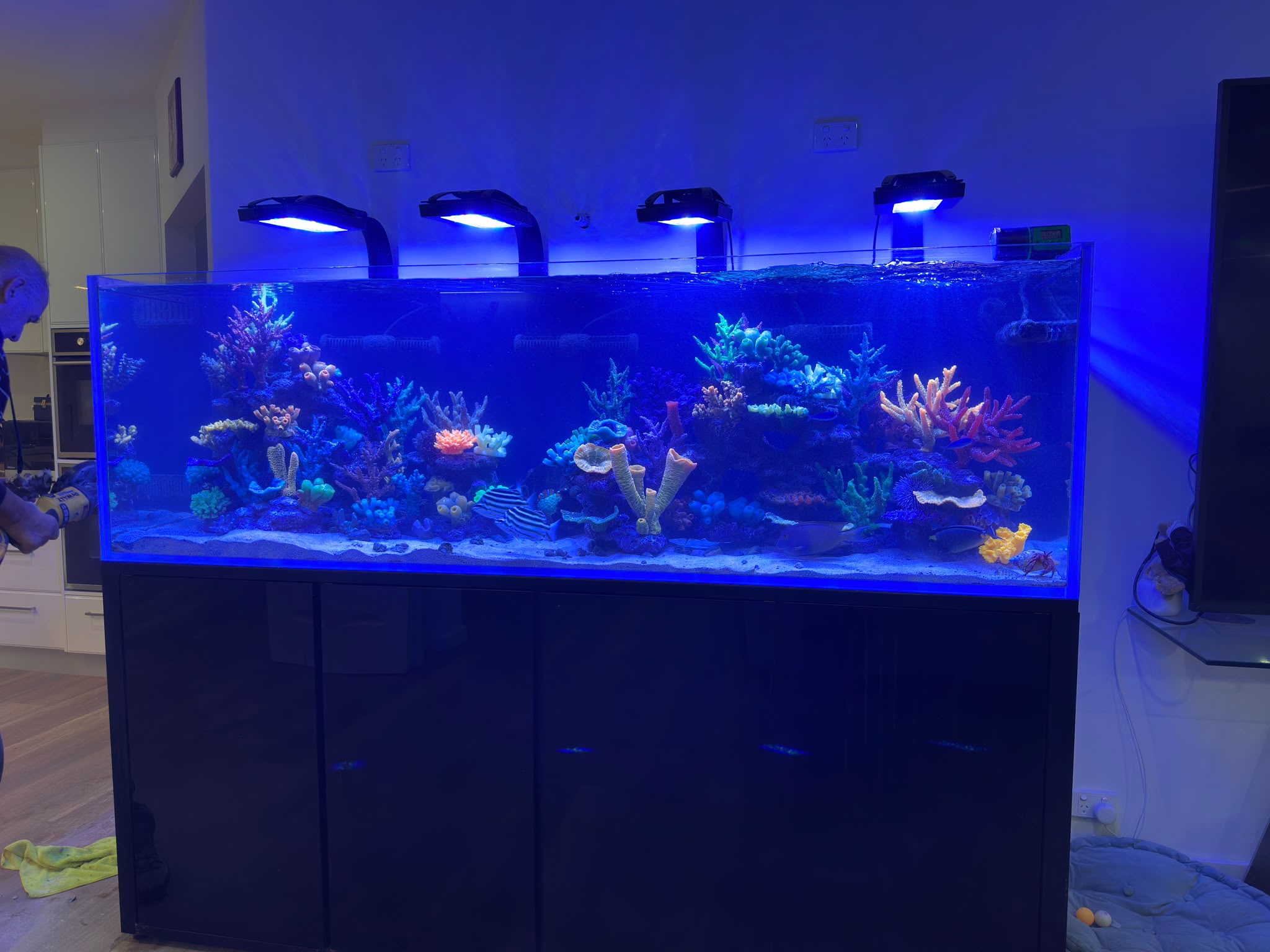
Summary: A successful aquascape is about more than choosing beautiful plants. Avoid common mistakes like overcrowding, excessive lighting, and poor planning, and give your aquarium time to grow. The best setup is one that looks good and stays easy to maintain.
Why Avoiding Aquascaping Mistakes Matters
Aquascaping is a mix of creativity and nature. A beautiful tank should also be a healthy place for plants, fish, and beneficial bacteria to thrive.
Even small mistakes can cause problems later. Too much light can lead to algae, poor plant placement can make the tank feel unbalanced, and the wrong substrate can affect plant growth.
Knowing what to avoid can make aquascaping much easier and help you create a tank that looks good and stays healthy.
Let’s dive into Aquascaping Mistakes!
1. Choosing Plants Before Understanding the Aquarium
A plant might look great in someone else’s aquarium, but that doesn’t mean it will work in yours.
Before buying anything, it’s worth looking at what your tank can actually provide. Some aquarium plants are quite easy to grow, while others need stronger lighting, additional nutrients or CO₂. The size of the plant matters too. Something that looks small in the shop can take up a surprising amount of space once it starts growing.
Rather than choosing plants first and figuring everything else out afterwards, look at the aquarium as a whole. The lighting, substrate, available space, and how much maintenance you are prepared to do should all have some say in what you plant.
It’s a simple step, but choosing plants that suit your setup from the beginning can save you a lot of unnecessary changes later.
2. Using Too Much Light Too Soon
More light doesn’t automatically mean better plant growth.
This is one of those aquascaping mistakes that can look promising at first. You turn the lights up because you want the plants to grow quickly, only to find algae appearing before the plants have had a chance to establish themselves.
Light, plant growth, nutrients, and CO₂ need to work together. If one part of the setup is pushed too far, the aquarium can quickly become unbalanced.
A consistent lighting schedule is usually a much better starting point than simply running powerful lights for longer.
3. Trying to Copy Another Aquascape Exactly
We’ve all done it.
You see an incredible aquarium online, save the picture, and think, I want mine to look exactly like that.
The problem is that two aquariums can have completely different conditions. The tank dimensions, lighting, water, plants, and equipment may all be different.
Use other aquascapes for inspiration, but don’t treat them as an instruction manual.
Take the parts you like — perhaps the rock arrangement, planting style or open foreground — and adapt the idea to your own aquarium.
That’s usually how you end up with an aquascape that feels intentional rather than copied.
4. Forgetting About the Aquarium’s Proportions
A rock or piece of driftwood can look perfect when you’re holding it outside the tank. Put it in, and suddenly it takes up half the aquarium.
The same thing happens with plants. They may look small when you first put them in, but some grow quite quickly and can end up hiding everything around them.
It’s worth taking a minute to check the size of your hardscape and plants before adding anything. You don’t need to fill every part of the tank either. Leaving some room around the hardscape can make the whole setup feel less cramped and give the composition more breathing space.
5. Planting Everything at the Same Height
A common beginner aquascaping setup has plants arranged almost like a garden bed — everything sits at roughly the same height.
It can make the aquarium look flat.
A better approach is to create different layers. Shorter plants can work towards the front, while taller plants can gradually build height towards the back or around the main hardscape.
This creates depth and gives your eye somewhere to travel.
And remember: plants grow. Leave enough room for them to fill out without immediately taking over the entire composition.
6. Adding Too Many Plants Because the Tank Looks Empty
This one is tempting, especially during the first few days.
You finish the hardscape, add a few plants, and look at the aquarium thinking, It still looks a bit bare.
So you add more.
Then more.
A few weeks later, everything has grown, and you can barely see the original hardscape.
Planting with the mature aquarium in mind is important. Some spaces that look empty initially are meant to stay open, while other areas will fill out naturally as the plants establish themselves.
Patience is part of aquascaping.
7. Ignoring the Substrate
It’s easy to forget about the substrate when you’re busy choosing rocks, wood, and plants.
But substrate matters. Its type and depth can affect how well your plants grow and how the whole aquarium looks.
You can also use the substrate to create a slight slope, with more substrate towards the back. This can create a stronger sense of depth and make the aquarium appear larger.
So decide on your substrate before you start putting everything else in. It’s much easier to build the layout around it than to try to change it later.
8. Changing Everything When Something Goes Wrong
A little algae appears.
A plant loses a few leaves.
Something isn’t growing as quickly as expected.
The temptation is to change the light, add more fertilizer, move the plants, change the water, and adjust the CO₂ all at once.
That’s rarely helpful.
When several things are changed simultaneously, it becomes difficult to understand what actually solved the problem — or what caused the next one.
Make one sensible adjustment at a time and allow the aquarium to respond. Keeping track of changes can also make it easier to understand what works for your particular setup.
9. Forgetting That Maintenance Is Part of the Design
An aquascape isn’t finished when the last plant goes into the substrate.
Plants need trimming. Dead leaves need removing. Glass needs cleaning. Equipment needs attention. Some plants may need to be repositioned as they grow.
A design that looks beautiful but becomes difficult to maintain isn’t necessarily a successful aquascape.
When planning the layout, think about how you’ll access the plants, clean the glass, and maintain the equipment six months from now — not just how the aquarium looks on installation day.
Good aquascaping should look beautiful and be practical to maintain.
10. Trying to Achieve Perfection Immediately
The biggest mistake is expecting a new aquascape to look like an established one.
A newly planted aquarium can look sparse. Plants need time to settle and grow. Some may change shape as they adapt to being fully submerged, while the balance of the whole layout can change as everything develops.
Give it time.
The best aquascapes aren’t necessarily the ones that look perfect on day one. They’re the ones that continue to look good as they mature.
The Best Aquascape Is One You Can Actually Maintain
There’s no need to overcomplicate an aquascape. A simple layout with the right plants can look just as good as a tank packed with everything.
The key is to plan around your aquarium, rather than trying to force it into a particular style. Choose plants that suit your setup, give the hardscape room to breathe, and think about maintenance from the beginning.
And don’t expect your aquascape to look perfect straight away. Plants take time to grow, and you’ll probably move a few things around as the aquarium settles.
If you’re thinking about adding an aquarium or want to try an aquascape, get in touch with Atlantis & Co. We’d be happy to have a chat about what you have in mind.
What is Aquascaping?
Aquascaping is the art of designing and arranging an aquarium to create a visually appealing underwater landscape using aquatic plants, rocks, wood, sand, and other natural elements.
Think of it as landscape design, but underwater. 🌿🐠
A good aquascape considers:
- 🌱 Plants — their size, color, and growth patterns
- 🪨 Rocks & stones — to create structure and focal points
- 🪵 Driftwood — for natural shapes and depth
- 🏖️ Substrate — sand, gravel, or soil for the aquarium floor
- 💡 Lighting — to support plant growth and enhance the design
- 💧 Water conditions — to keep plants and aquatic life healthy
Popular styles include Nature Aquarium, Iwagumi, Dutch Style, and Jungle Style.
In simple terms: Aquascaping = creating an underwater landscape that looks beautiful while providing a healthy environment for aquatic life.
Frequently Asked Questions
Some of the most common mistakes include choosing plants that don’t suit the aquarium, using too much light, overcrowding the tank, ignoring proportions, and making too many changes at once.
Avoid pushing the lighting too hard at the beginning and make sure lighting, nutrients, plant growth, and CO₂ are properly balanced. A consistent routine is generally better than making frequent major adjustments.
There isn’t one ideal number. The right amount depends on the size of the aquarium, the plants you choose, and the look you want to create. Remember to account for how much the plants will grow over time.
It depends on the plants and setup, but a new aquascape generally needs time to settle and grow. It’s normal for a newly planted aquarium to look sparse at first.
Aquascaping can be very approachable for beginners when the aquarium is planned around suitable plants, lighting, substrate, and maintenance requirements. Starting simple can make it much easier to manage.