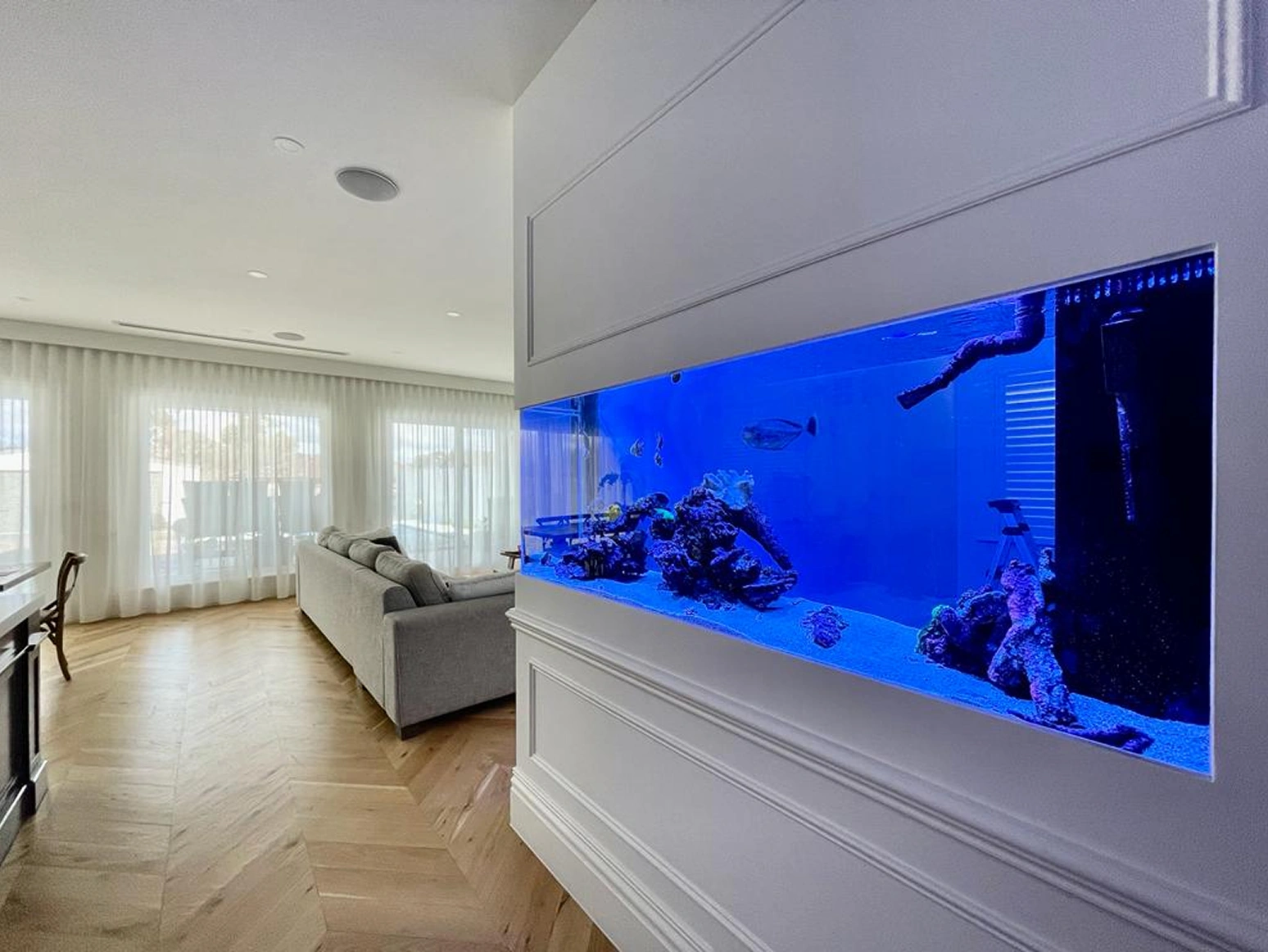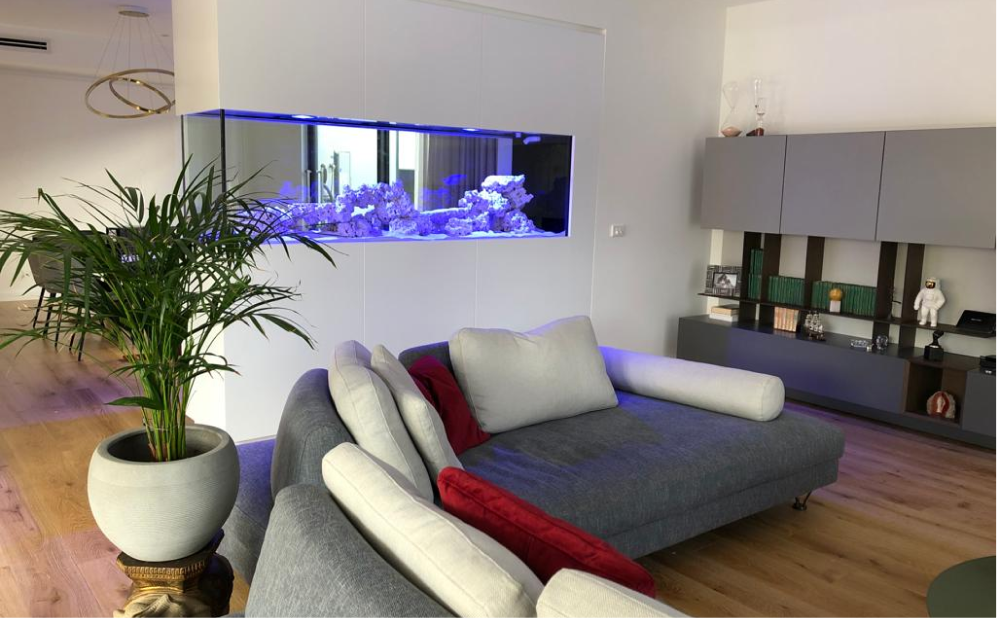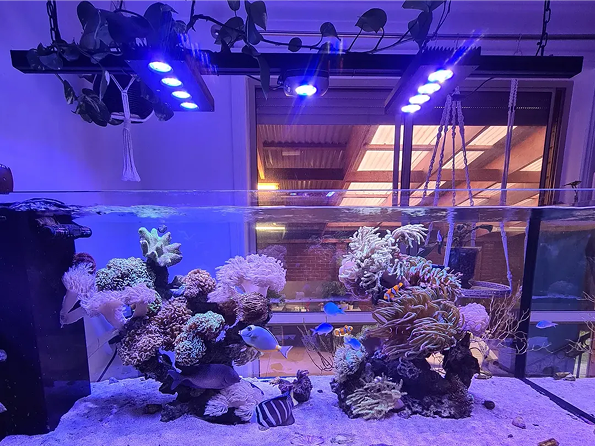
There is something peaceful about watching fish swim quietly in a tank. An aquarium can completely change the feel of a room. It brings calmness, movement and life into a space.
But behind that calm view, there is a living system that needs regular care.
If you’re just getting started, you might find our Beginner Aquarium Guide: What to Know Before You Buy helpful.
Let’s look at some of the most common aquarium care mistakes — and how to avoid them.
Choosing a Tank That’s Too Small
A lot of people assume a small tank will be easier to manage.
In reality, smaller tanks are often less stable. Water conditions change faster, and even minor overfeeding or missed maintenance can quickly create an imbalance.
A slightly larger tank provides more stability and gives your fish a healthier environment to grow. In many Melbourne homes where indoor temperatures fluctuate between seasons, a stable Water volume makes an even bigger difference.
Fish care Mistakes
- Adding Too Many Fish at Once
Beautiful colours, different shapes — it’s tempting to bring several home at once.
But adding too many fish at one increases waste levels quickly. Your filtration system may not be ready to handle the sudden load.
So it is better to introduce fish slowly. And always consider how large each species will grow — that small fish today may need far more space later.
- Not Checking Compatibility
Not all fish species get along. Some are peaceful, while others are aggressive.
Mixing incompatible fish can cause stress and injury. Before adding new fish, research whether they are suitable for your existing setup.
- Overfeeding
Overfeeding is one of the most common aquarium care mistakes.
Excess food settles at the bottom, breaks down and pollutes the water. So, usually feeding once or twice a day in small amounts is enough. Remove uneaten food immediately and make sure you are using the correct type of food for your fish.
Water Related Mistakes
Water quality is the foundation of a healthy aquarium.
- Not Cycling the Tank
Before adding fish, a tank needs time to build beneficial bacteria. These bacteria break down waste and keep the water safe.
Adding fish too early can lead to stress and serious health issues.
- Incorrect Water Changes
Some owners change water too often or wait too long. Another common mistake is replacing all the water at once.
Instead, change around 20 – 25% of the water weekly. This keeps conditions stable without shocking your fish.
In areas like Melbourne, where tap water contains chlorine and mineral variations, consistent partial changes combined with proper water conditioning are especially important.
- Using Untreated Tap Water
Tap water usually contains chlorine, which is harmful to fish.
Always use a water conditioner before adding fresh water to your tank. This simple step protects both fish and beneficial bacteria.
Temperature Shock
Sudden temperature changes can stress fish.
When adding fresh water, ensure it is close to the existing tank temperature. Seasonal shifts in Melbourne can make this even more important during winter and summer months.
Cleaning and Maintenance Errors
Over cleaning and not cleaning on time both are risky for your tank.
Cleaning too aggressively can disturb the natural balance of the aquarium. On the other hand, neglecting cleaning for too long also causes problems.
Avoid deep cleaning everything at once. Gentle, regular maintenance works far better than occasional heavy scrubbing.
Filter Mistakes
A filter does more than just circulating the water, it holds beneficial bacteria that keep the aquarium stable.
Never wash filters under tap water. Tap water kills the beneficial bacteria. Instead, rinse filter media gently in old tank water during a water change.
Also ensure your filter is suitable for your tank size. An undersized filter may quietly struggle before visible problems appear.
Lighting Mistakes
Leaving aquarium lights on all day may seem harmless, but fish also need a consistent day-night cycle.
Maintain balanced lighting hours each day and ensure your lighting setup suits your tank’s depth and plant requirements.
Poor Tank Placement
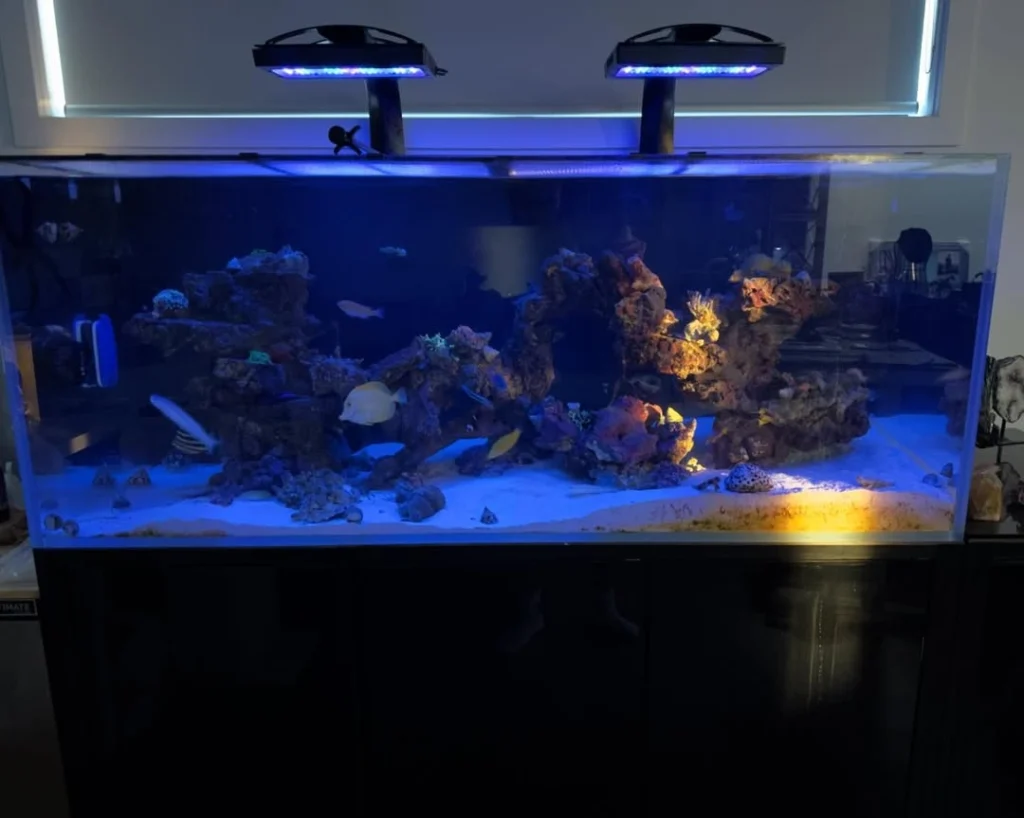
Where you place your aquarium matters more than you realise.
Avoid:
- Direct sunlight, it can lead to algae growth
- Placement near heaters or air conditioners
- High traffic areas where the people can frequently touch and tap the glass
So choose a stable location with moderate temperature and minimal disturbance.
Apart from being a beautiful focal point in your decor, an aquarium creates a calm and soothing environment. But, behind that peaceful view is a living ecosystem that depends on your care and attention. With some basic knowledge, you can easily avoid small mistakes that may gradually affect your tank’s balance.
With thoughtful planning, regular maintenance and a little awareness, you can maintain a healthy, stress-free environment for your fish — and enjoy your aquarium for many years to come.